
How to Seek Innocent Spouse Relief from Unfair Tax Debt
Information Explained: How to Win Innocent Spouse Relief
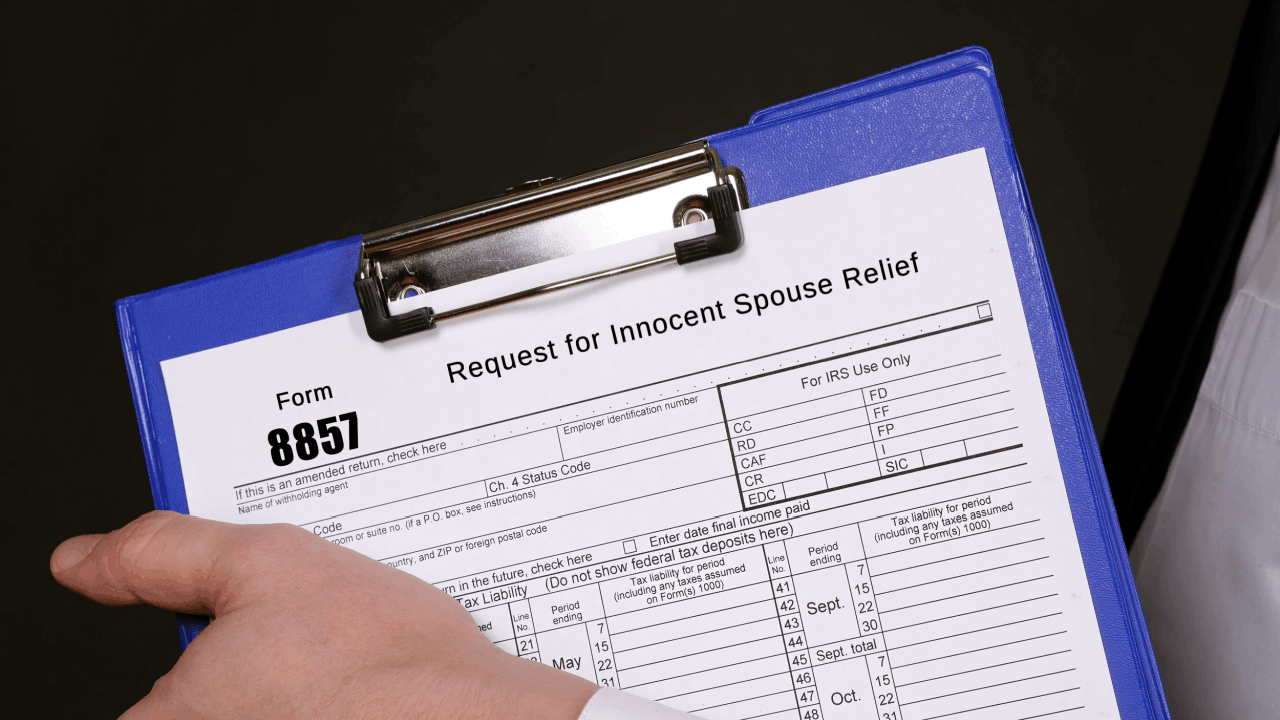
Facing tax debt from a spouse’s mistakes or deception creates overwhelming stress and financial hardship. The IRS innocent spouse relief program provides a legal pathway to eliminate tax liability when joint returns contain errors you didn’t know about and shouldn’t reasonably have known about. Many taxpayers incorrectly believe they’re automatically responsible for joint return debts, but federal tax law specifically protects innocent spouses through three distinct relief types: innocent spouse relief, separation of liability relief, and equitable relief. Each option addresses different circumstances, and selecting the proper relief type dramatically impacts approval probability. Obtaining innocent spouse relief involves understanding IRS evaluation criteria, gathering relevant evidence, and presenting information through Form 8857. The key is demonstrating both that you qualify under technical requirements and that holding you liable would be unfair given your specific circumstances.
Meeting IRS Innocent Spouse Requirements
Understanding Core Qualification Criteria
To request innocent spouse relief, you must satisfy specific IRS requirements. First, you filed a joint tax return with an understatement of tax due to your spouse’s erroneous items. Second, you can prove you didn’t know and had no reason to know about the understatement when signing. Third, considering all facts and circumstances, holding you liable would be inequitable. The IRS examines your education level, involvement in household finances, subsequent divorce or separation, and whether your spouse provided financial support.
Building Your Documentation Strategy
The IRS requires comprehensive evidence supporting your lack of knowledge. Gather financial records showing separate account management, correspondence proving limited financial involvement, and testimony from professionals like accountants or attorneys who can verify your non-participation in tax preparation. Document any abuse, control, or deception your spouse used to prevent your awareness of tax issues. IRS examiners give substantial weight to patterns showing financial isolation or manipulation.
Timing Your Relief Request
File Form 8857 as soon as you discover the tax problem. While no statute of limitations exists for equitable relief requests, the IRS views prompt action favorably. For traditional innocent spouse relief, you generally must request relief no later than two years after the IRS first attempts collection. However, equitable relief remains available beyond this window, making it crucial to understand which relief type best fits your situation.
Strengthening Your Innocent Spouse Case
Addressing Knowledge and Reason to Know
One of the most challenging aspects of innocent spouse relief involves proving lack of knowledge. The IRS doesn’t require actual knowledge of the understatement—reason to know is sufficient for denial. Demonstrate that your lifestyle didn’t significantly benefit from the unreported income or fraudulent deductions. If you lived modestly despite substantial unreported income, this supports your lack of awareness. Present evidence of your spouse’s control over finances, including sole management of tax documents, banking, and business records.
Leveraging Economic Hardship Arguments
Even if technical requirements present challenges, equitable relief considers whether you’d face economic hardship if held liable. Document your current financial situation, including income, expenses, assets, and existing debts. Show that paying the tax liability would prevent you from meeting basic living expenses. The IRS considers factors like age, health, employment status, and ability to earn income. Present a complete financial picture demonstrating that relief serves fundamental fairness.
Presenting Abuse and Control Factors
Situations involving domestic abuse significantly impact IRS decisions. Document any history of physical, emotional, or financial abuse your spouse used to maintain control. This includes preventing access to financial records, threatening harm if you questioned tax returns, or manipulating you into signing without review. The IRS recognizes that abuse victims often cannot reasonably know about tax problems, strengthening claims even when traditional evidence is limited.
Types of Innocent Spouse Relief
Traditional Innocent Spouse Relief
This option applies when your spouse understated tax on a joint return. You must prove complete lack of knowledge about the understatement and that holding you liable would be unfair. The IRS examines whether you benefited from the underpayment and your involvement in household finances. Success requires showing you had no indication of tax problems when signing the return.
Separation of Liability Relief
Available to taxpayers who are divorced, legally separated, widowed, or haven’t lived with their spouse for 12 months before filing Form 8857. The IRS allocates the understatement between you and your spouse based on individual benefit. This option works well when you can prove the tax issue relates entirely to your spouse’s income or deductions, allowing you to eliminate liability for their portion while remaining responsible for your accurate items.
Equitable Relief
The broadest relief type, equitable relief applies to situations not qualifying for the other two options. It covers understatements and underpayments, making it valuable when traditional innocent spouse relief isn’t available. The IRS conducts a comprehensive fairness analysis considering abuse, financial control, legal obligations, significant benefit, compliance history, and mental or physical health conditions. This flexibility means equitable relief is often considered in complex domestic situations.
Maximizing Your Innocent Spouse Approval
Winning innocent spouse relief requires thorough preparation, strategic evidence presentation, and understanding of IRS evaluation priorities. Focus on clearly demonstrating both technical qualification and fundamental fairness. Present organized documentation addressing each IRS factor, including knowledge, benefit, control, abuse, and economic hardship. If initially denied, you may request review through the IRS Appeals process, where officers conduct independent evaluations. The difference between approval and denial often lies in how effectively you present your story within the IRS framework, making professional guidance valuable for complex situations.
Request an Innocent Spouse Relief Case Review
Don’t navigate the innocent spouse relief process alone. Our tax attorneys assist with innocent spouse relief requests and explain applicable IRS procedures. Request your free case review today to learn your options, or connect with a qualified attorney specializing in innocent spouse relief. Time matters—take action now to protect your financial future and gain the comprehensive support you need for IRS approval. Learn more about IRS innocent spouse relief.
Frequently Asked Questions
1. What is the success rate for innocent spouse relief?
The IRS approves approximately 50% of innocent spouse relief requests, with equitable relief having the highest approval rate among the three relief types available to qualifying taxpayers.
2. How long does the IRS take to decide innocent spouse relief cases?
The IRS typically takes 6 months to 2 years to decide innocent spouse relief cases, depending on complexity, required documentation, and whether you request an Appeals hearing after initial denial.
3. Can I get innocent spouse relief if I'm still married?
Yes, you can request innocent spouse relief while still married, though separation or divorce strengthens your case by demonstrating changed circumstances and reducing the IRS’s concern about tax liability shifting between spouses.
4. Does innocent spouse relief eliminate penalties and interest?
Yes, approved innocent spouse relief eliminates your liability for the underlying tax, plus all related penalties and interest associated with the understatement or underpayment covered by the relief determination.
5. What happens if my innocent spouse relief request is denied?
If denied, you can appeal the decision within 30 days by requesting an Appeals hearing, where a different IRS officer reviews your case with fresh perspective and often approves previously denied requests.
Key Takeaways
- Winning innocent spouse relief requires proving lack of knowledge about tax errors and demonstrating that holding you liable would be fundamentally unfair under your specific circumstances.
- The IRS offers three relief types—traditional innocent spouse, separation of liability, and equitable relief—each addressing different situations with varying qualification requirements and approval rates.
- Strong documentation proving financial separation, limited involvement, abuse, or economic hardship significantly increases approval probability and strengthens your case during IRS review.
- Equitable relief provides the most flexibility for complex situations and remains available even after the two-year deadline for traditional innocent spouse relief expires.
- Professional representation dramatically improves success rates, particularly for appeals, as experienced attorneys understand IRS evaluation criteria and effective evidence presentation strategies.


Free Tax Case Review
If you are struggling with tax debt or have received a letter from the IRS complete the form below.
Advertising. This site is a marketing service and does not provide legal or tax advice. Submitting information does not create an attorney-client, tax professional-client, or any other advisory relationship. Results are not guaranteed. A list of participating attorneys, tax firms, and tax providers is available here.
IRS Audit
You received an audit notice from the IRS
Tax Debt Relief
You owe the IRS money and are looking for relief options
Wage Garnishment
The IRS is taking part of your wages to pay off your debt
Tax Lien
The IRS put a legal claim on your property
IRS Property Seizure
The IRS is going to take your property to pay down or pay off your tax debt
Penalty Abatement
You want to request to remove or reduce penalties assessed by IRS
Innocent Spouse Relief
Relief from joint tax debt caused by your spouse or former spouse
Tax Debt FAQ
Common facts, questions and answers about tax debt and tax debt reilef
Tax Debt Lawyer
A tax debt lawyer can help you with your tax debt problems