

Can I Get My Tax Refund from Being Garnished? | Expert Relief Options
Key Facts Explained: Can I Get My Tax Refund From Being Garnished
Can I get my tax refund from being garnished starts with understanding how refund seizures work. The IRS uses the Treasury Offset Program to automatically intercept tax refunds when taxpayers owe federal tax debt, unpaid child support, or certain government obligations. Unlike wage garnishment that requires notice, refund offsets happen automatically once you file your return. The IRS processes these seizures shortly after a return is filed, which can limit the time available to respond. You’ll receive Notice CP49 explaining why your refund was offset, but by then the seizure has already occurred. Understanding this timeline is critical—prevention requires action before you file your return.
Can I Get My Tax Refund from Being Garnished Before It Happens
Prevent Garnishment Through IRS Payment Arrangements
Establishing an installment agreement before filing your return can prevent garnishment. The IRS typically won’t offset refunds for taxpayers in active, compliant payment plans. Submit Form 9465 to request monthly payments based on your financial situation. Once approved, your refund protection begins immediately, though the IRS may still apply your refund to your balance while maintaining your agreement status.
Request Currently Not Collectible Status
If you’re facing financial hardship, Currently Not Collectible (CNC) status temporarily halts all IRS collection activities, including refund garnishment. You’ll need to prove that basic living expenses exceed your income using Form 433-F. The IRS evaluates your assets, income, and necessary expenses. While in CNC status, certain IRS collection activities may be limited, though interest and penalties continue accruing on the tax debt.
Challenge the Underlying Tax Debt
Can I get my tax refund from being garnished by disputing the debt? Yes, if you have legitimate grounds to challenge the tax assessment. File Form 12153 to request a Collection Due Process hearing within 30 days of receiving a levy notice. During this hearing, you can contest the debt’s validity, propose alternative collection methods, or argue that the levy creates economic hardship. The IRS may suspend certain collection actions, including refund offsets, while the case is under review.
Legal Strategies to Stop Refund Garnishment
Innocent Spouse Relief Protection
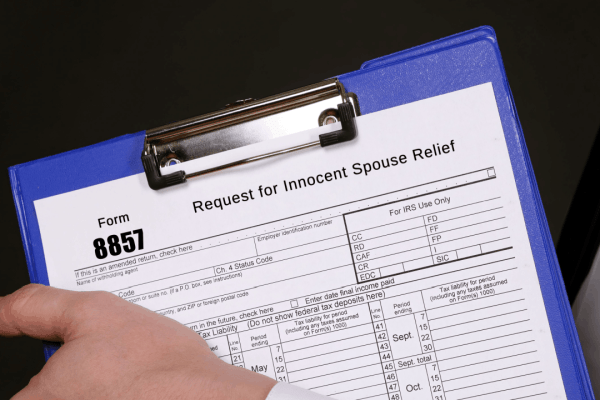
Married taxpayers who filed jointly may qualify for innocent spouse relief if their spouse improperly reported income or claimed deductions. This protection prevents the IRS from garnishing your portion of the refund for your spouse’s tax debt. Form 8857 must demonstrate you had no knowledge of the tax errors and that holding you liable would be inequitable. Innocent spouse relief may affect how the IRS applies refund offsets while an application is pending.
Offset Bypass Refund Claims
In limited circumstances, you can request the IRS bypass the offset and issue your refund. This applies primarily to injured spouse claims (Form 8379) when your refund is seized for your spouse’s separate debts like student loans or child support. The IRS will calculate your portion of the refund based on individual income contributions and issue that amount while offsetting the remainder.
Penalty Abatement Requests
If penalties constitute a significant portion of your tax debt, first-time penalty abatement can reduce your balance below the refund amount. Taxpayers with clean compliance history for the previous three years can request administrative relief from failure-to-file and failure-to-pay penalties. Reducing your debt through penalty abatement may result in the IRS releasing garnished refunds or preventing future offsets.
How to Recover Already Garnished Refunds
Once the IRS garnishes your refund, recovery options narrow considerably. However, you’re not without recourse. If the offset was erroneous—such as the debt being paid, discharged in bankruptcy, or exceeding the statute of limitations—you can request a refund reversal. Submit a written request with supporting documentation to the IRS offset department within 120 days. For joint filers, injured spouse claims can recover your portion even after offset. The IRS processes these claims over varying timeframes depending on circumstances. If you’ve since entered an installment agreement or achieved Currently Not Collectible status, request tthat he IRS credit your offset amount toward your balance and establish protection for future refunds.
Can I Get My Tax Refund from Being Garnished Successfully
Preventing tax refund garnishment requires proactive planning and understanding IRS collection procedures. The Treasury Offset Program operates automatically, making prevention far easier than recovery. Establishing payment agreements, requesting hardship status, or pursuing innocent spouse relief before filing your return provides the strongest protection. Can I get my tax refund from being garnished after seizure? Recovery is possible but requires proving IRS error or qualifying for the injured spouse allocation. Time-sensitive action determines success—most protective strategies require initiation before the IRS processes your return. Professional tax representation can assist with documentation, timing considerations, and understanding available relief provisions.
Stop Tax Refund Garnishment with Expert Help
Don’t let the IRS seize your tax refund without exploring your legal options. Every garnishment situation has unique factors that may qualify you for protection or recovery. Request your free tax case review today to evaluate your specific circumstances and develop a strategic response. Tax attorneys can assist with relief applications, payment plan discussions, and review of refund offset issues. Time is critical—refund garnishments happen fast, but so can effective legal intervention.
Are you a tax attorney? Join our network to connect with clients seeking expert representation for tax refund garnishment and IRS collection issues.
Frequently Asked Questions
1. Can the IRS garnish my tax refund without notifying me first?
Yes, the IRS can offset your refund through the Treasury Offset Program without prior notice, though you’ll receive Notice CP49 after the garnishment explaining the seizure.
2. How long does it take to recover a garnished tax refund?
Recovery timelines vary by method—injured spouse claims take 8-14 weeks, while challenging the underlying debt through Collection Due Process hearings can take 6-12 months depending on case complexity.
3. Will an installment agreement prevent my refund from being garnished?
Active installment agreements generally prevent future refund garnishments, though the IRS may still apply your refund to your balance while keeping your payment plan intact.
4. Can I get my tax refund from being garnished if I'm on a payment plan?
If you establish a payment plan before filing, the IRS typically won’t garnish your refund, though they may apply it to your debt while maintaining your agreement status.
5. What happens to my state tax refund if the IRS garnishes my federal refund?
Federal and state refund garnishments operate separately—the IRS cannot seize state refunds, but states participate in similar offset programs for state tax debts and other obligations.
Key Takeaways
- The IRS garnishes over 3 million tax refunds annually through the Treasury Offset Program, making proactive protection essential before filing your return.
- Establishing installment agreements, requesting Currently Not Collectible status, or pursuing innocent spouse relief before filing provides the strongest garnishment protection.
- Recovery of already-garnished refunds is possible through injured spouse claims, proving IRS error, or demonstrating the debt exceeded collection statute limitations.
- Time-sensitive action determines success—most protective strategies require initiation before the IRS processes your return and applies the automatic offset.
- Professional tax representation significantly improves outcomes by ensuring proper documentation, strategic timing, and comprehensive knowledge of available IRS relief provisions.


Free Tax Case Review
If you are struggling with tax debt or have received a letter from the IRS complete the form below.
Advertising. This site is a marketing service and does not provide legal or tax advice. Submitting information does not create an attorney-client, tax professional-client, or any other advisory relationship. Results are not guaranteed. A list of participating attorneys, tax firms, and tax providers is available here.
IRS Audit
You received an audit notice from the IRS
Tax Debt Relief
You owe the IRS money and are looking for relief options
Wage Garnishment
The IRS is taking part of your wages to pay off your debt
Tax Lien
The IRS put a legal claim on your property
IRS Property Seizure
The IRS is going to take your property to pay down or pay off your tax debt
Penalty Abatement
You want to request to remove or reduce penalties assessed by IRS
Innocent Spouse Relief
Relief from joint tax debt caused by your spouse or former spouse
Tax Debt FAQ
Common facts, questions and answers about tax debt and tax debt reilef
Tax Debt Lawyer
A tax debt lawyer can help you with your tax debt problems
Recent Posts
- Can I Get My Tax Refund from Being Garnished? | Expert Relief Options
- How Do You Get a Refund If You Are Granted Innocent Spouse Relief?
- How to Seek Innocent Spouse Relief from Unfair Tax Debt
- How to Get Innocent Spouse Relief | Navigate IRS Forms and Appeals
- Who Is Eligible for Innocent Spouse Relief and How Does It Work?